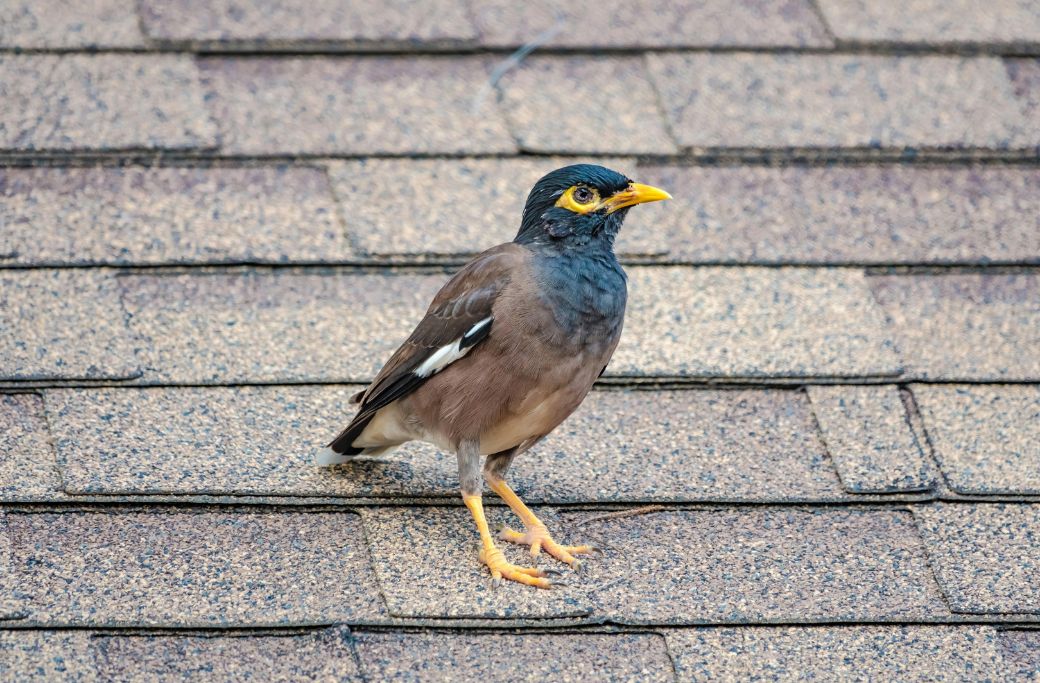
Many homeowners associate roof damage with storms, aging materials, and harsh weather conditions. However, animals can also cause significant damage to roofing systems. Squirrels, raccoons, birds, and other wildlife often search for shelter, nesting areas, or access points around roofs and attics. If left unaddressed, animal damage can lead to leaks, moisture intrusion, and costly repairs.
What Types of Animals Commonly Damage Roofs?
Several types of wildlife can damage residential roofing systems. Squirrels are known for chewing through roofing materials, vents, and wood components to gain access to attic spaces. Raccoons can lift shingles, tear flashing, and create openings in the roof while searching for shelter. Birds may build nests in gutters, vents, and roof cavities, while smaller animals such as mice can enter through tiny gaps and cause damage inside the attic.
Although these animals may seem harmless, their activity can compromise the performance of your roofing system over time.
What Are the Signs of Animal Damage on Your Roof?
Animal-related roof damage is not always obvious from the ground. Homeowners should watch for common warning signs, including:
- Missing or damaged shingles
- Bent or damaged roof vents
- Nesting materials in gutters or on the roof
- Scratching or movement sounds in the attic
- Water stains on ceilings or walls
- Visible gaps around soffits or fascia
Identifying these signs early can help prevent more extensive roof damage.
How Can Animals Damage a Roofing System?
Animals can damage several components of a roof. Some wildlife may chew through roofing materials, while others can pull apart flashing or create openings around vents. Birds and small animals may block ventilation systems with nesting materials, reducing airflow, and increasing moisture buildup.
Once animals gain access to an attic, they can damage insulation and create conditions that lead to mould growth or water intrusion. Even small entry points can cause larger problems if repairs are delayed.
What Should You Do If You Notice Animal Damage?
If you suspect animal damage, it is important to avoid attempting repairs or wildlife removal on your own. Animals may become aggressive when protecting their nests and working on a roof can create safety risks.
Instead, contact a qualified wildlife removal professional if animals are present and schedule a roof inspection to assess the damage. A professional inspection can identify affected areas and determine what repairs are needed to restore the integrity of your roofing system.
How Can You Prevent Animal Damage to Your Roof?
Preventative maintenance is one of the best ways to reduce the risk of animal-related roof damage. Regular roof inspections can help identify potential entry points before wildlife takes advantage of them.
Homeowners can also:
- Trim tree branches near the roof
- Repair damaged soffits and fascia
- Maintain roof vents and flashing
- Keep gutters clear of debris
These steps can make your home less attractive to wildlife while helping protect your roof.
Protect Your Roof from Animal Damage
Animal damage can compromise the performance of your roofing system and lead to costly repairs if left unaddressed. Professional roof inspections can identify damage early and help protect your home from future issues.
Contact Davidoff Roofing today to schedule a roof inspection or learn more about roof repair services in London, Ontario.